Five marketing tips for boat rental businesses
Renting a boat is a local purchase that most people make a few times a year at most. The marketing that works follows from that.
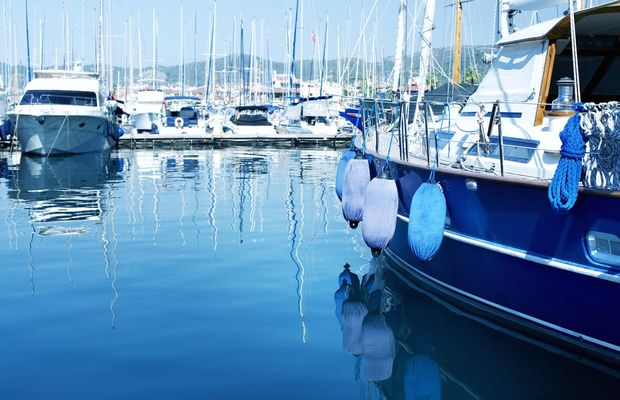
People rarely rent a boat because they need a boat. They rent an afternoon on the water: a fishing trip, a birthday on a pontoon, a sunset cruise with friends. The five points below apply whether the fleet is three kayaks or a dozen charter yachts.
1. Sell the day, not the hull
Engine size and seat count belong on the booking page, but they are not what makes someone book. Show what the customer gets: the cove that can only be reached by water, the sandbar where families stop to swim, the fishing grounds half an hour out. Photos and short clips from real trips do more than stock images.
Write each listing around a use. “Half-day pontoon for up to ten, cooler on board, fuel included” answers the questions a group organizer is about to ask. If you deliver to lake houses or offer a captain for hire, say so near the top.
2. Be easy to find and easy to book
A website that works on a phone
Most rental searches happen on a phone, often on the day itself. The site has to load quickly on a mobile connection, show prices or at least a starting price, and cover the practical details: parking, what to bring, the cancellation and bad weather policy, and whether your state requires a boating safety card to operate the boat. Hosted builders such as Wix and Squarespace, or WordPress on ordinary hosting, are all enough for this. The information matters more than the design.
Booking at any hour
Many people plan a trip in the evening, when nobody is answering the phone at the marina. An online booking system that shows live availability, takes a deposit and sends a confirmation captures those customers. Most such tools also collect signed waivers and send reminders.
Map listings
A search for “pontoon rental” plus the name of a lake shows map results before anything else. Claim and complete your Google Business Profile (the listing called Google My Business until late 2021): the right category, seasonal opening hours, the exact dock location, recent photos and a link straight to the booking page. Do the same on Apple Maps and Bing Places, and keep the business name, address and phone number identical everywhere.
Social media
Instagram and Facebook suit a business this photogenic. Post on a steady schedule during the season and answer messages fast, because a question in the inbox is often a booking in progress. Paid ads can be aimed at people within driving distance of the marina; start with a small budget and check which ads produced bookings before spending more.
3. Ask for reviews at the right moment
Reviews on Google and on travel sites decide a lot of rentals. The best time to ask is right after a good trip, with a text or email that evening containing a direct link to the review form.
Do not pay for reviews or trade discounts for them. Google’s rules for Maps reviews do not allow incentives from the business being reviewed, and such reviews can be removed. Reply to every review, including the bad ones, briefly and without arguing. Future customers read the replies.
4. Build a mailing list
A booking system that stores email addresses builds a list with every rental. Use it sparingly: a note before the season opens, early access to holiday weekends, and gift certificates in the off-season. Split the list where you can, so that anglers get fishing news and party groups hear about the larger boats. Every commercial email needs a working unsubscribe link under the federal CAN-SPAM Act.
5. Give customers a reason to come back
Repeat business depends on staying in mind between trips. Ideas that work for rental fleets:
- Packages that change the experience, such as a multi-day rental with a different craft each day, or a sunset cruise for someone who has only rented kayaks.
- New boats announced to past customers first.
- A returning-customer rate or a referral credit, offered in the follow-up email rather than at the dock.
- Season passes for locals who would go out more often if the price per trip dropped.
A clean boat and a staff member who remembers a family from last summer still do more for retention than any campaign.